Today's Fact
Verified against independent sources. Issues cited below.
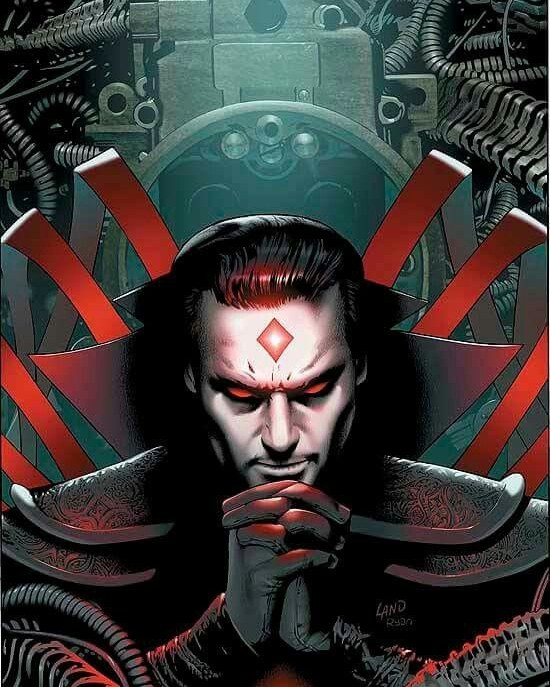
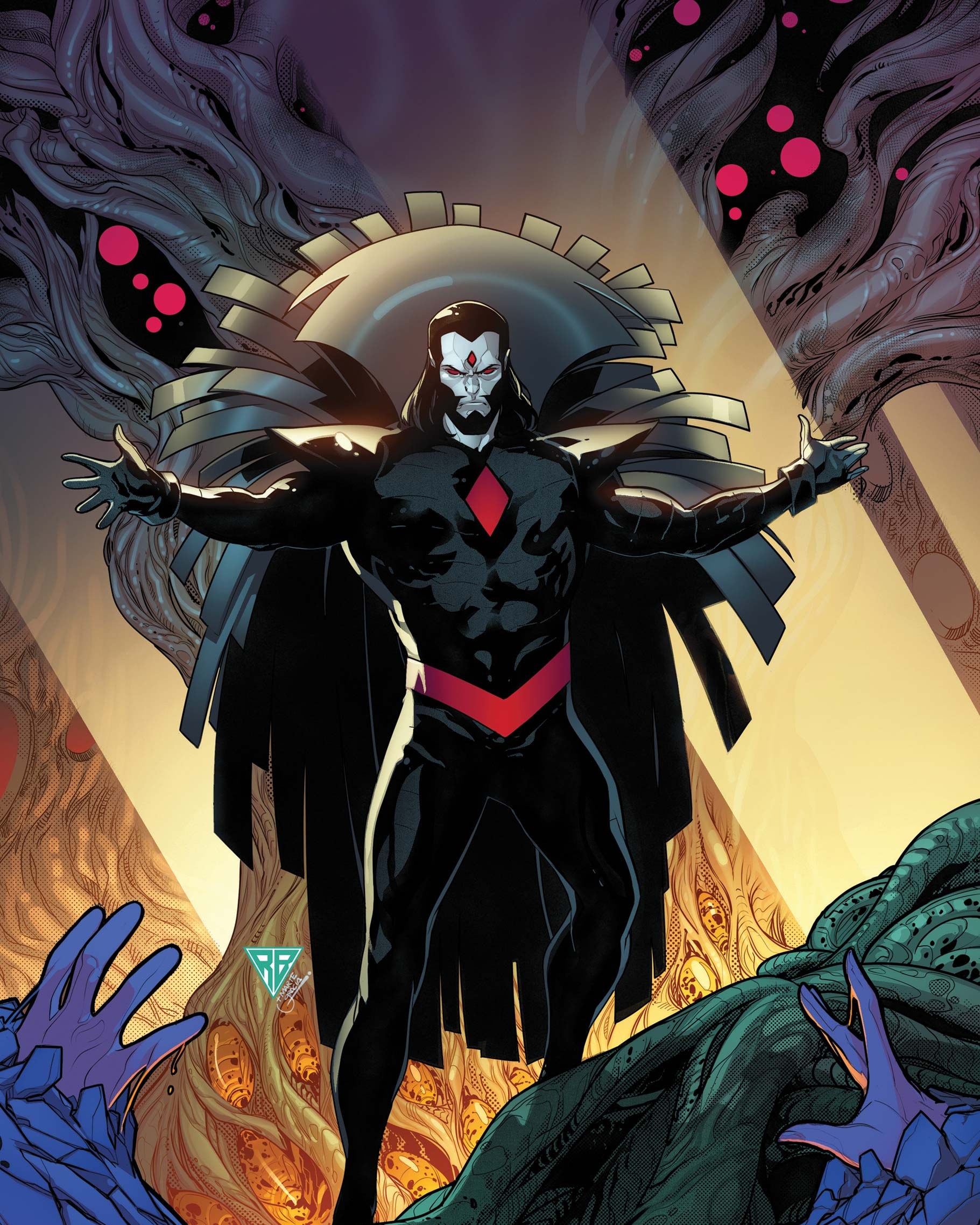
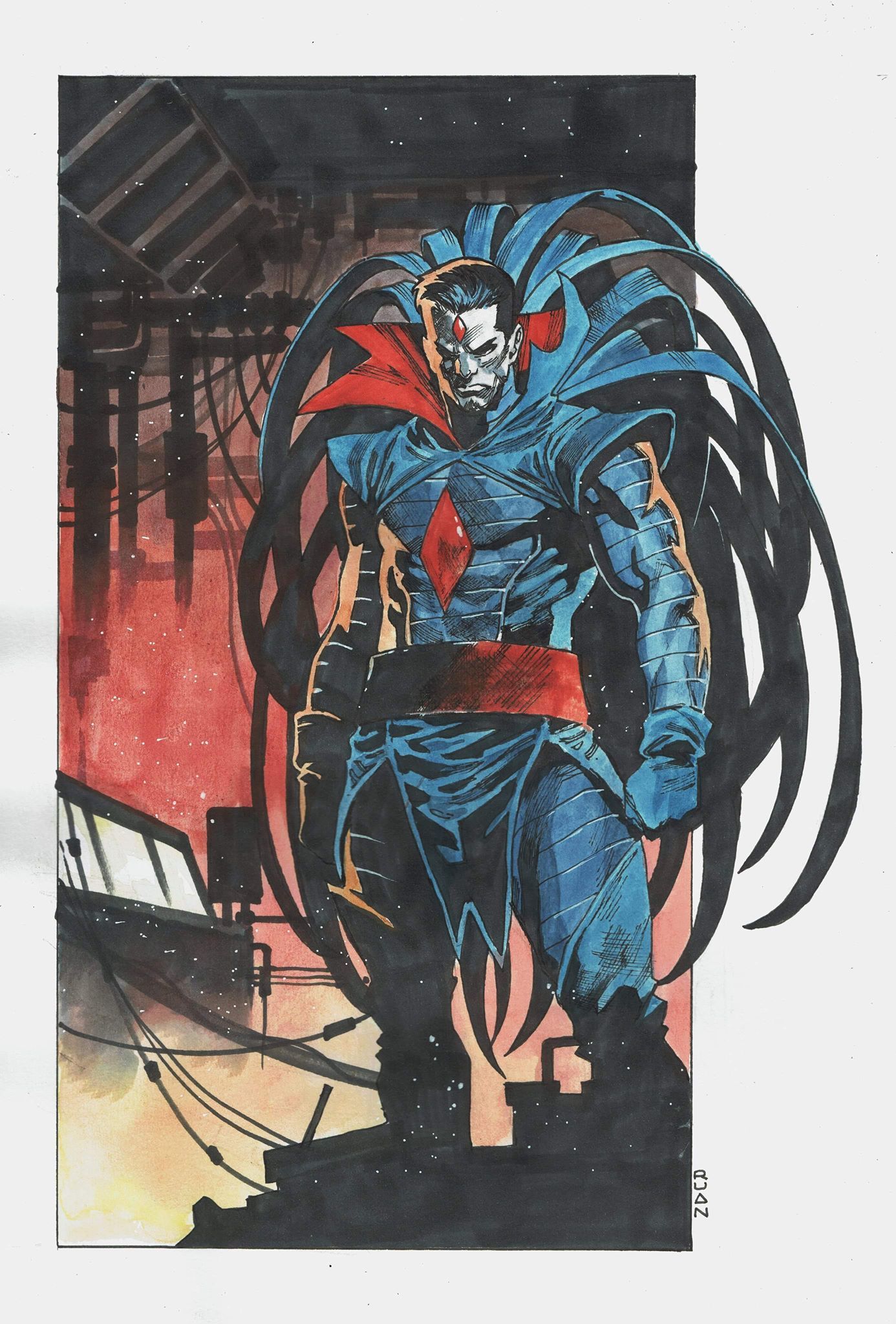
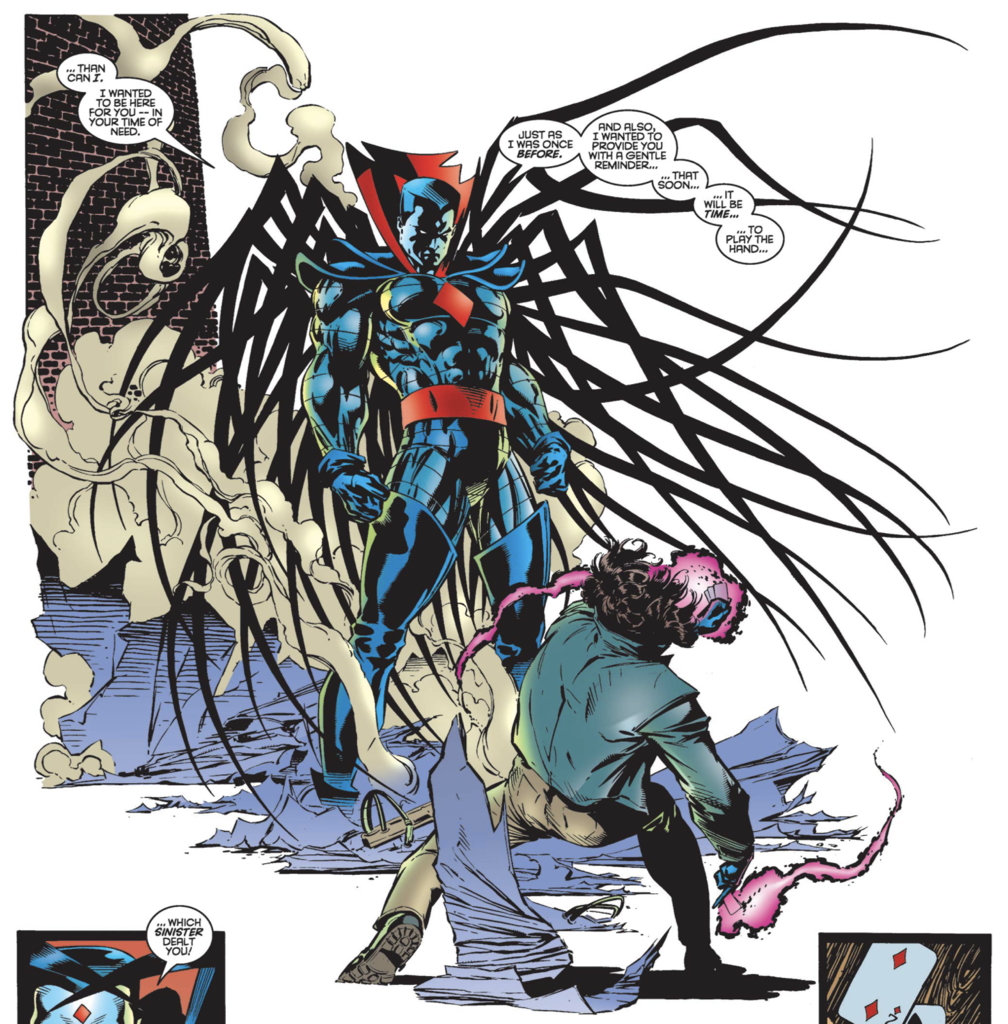
The cape, the fangs, the name a child would invent — because, in the original plan, a child did invent them. Chris Claremont has explained in interviews that Mister Sinister, who debuted in Uncanny X-Men #221 (1987), was never meant to be Nathaniel Essex at all. He was meant to be the projected adult persona of a mutant boy — the orphanage contemporary of Scott Summers glimpsed as Nathan in Classic X-Men #41–42 (1989) — a boy whose mutation made him age roughly one year for every ten, leaving an ancient, brilliant mind trapped in a child's body.
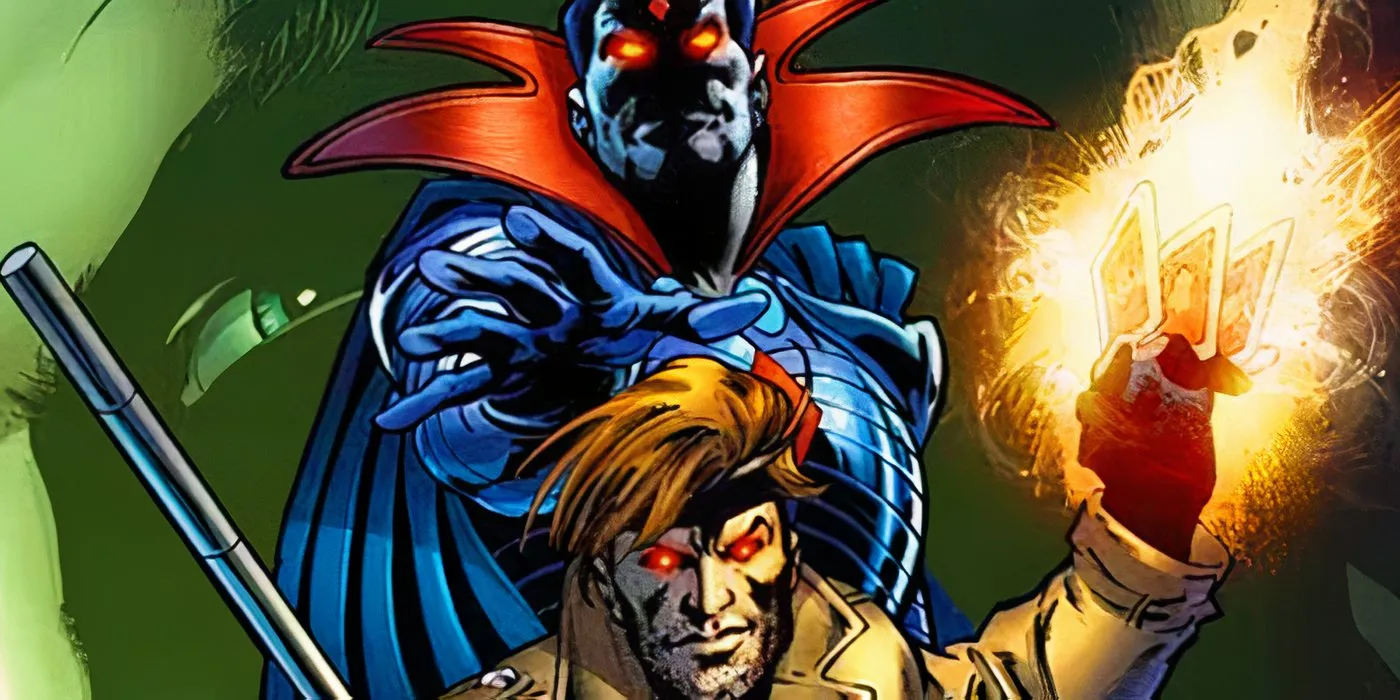
Unable to confront the world as himself, the boy manufactured a bogeyman: a bone-white, red-eyed, tattered-caped villain with a name as subtle as a playground taunt, designed to look like a child's idea of the ultimate bad guy. When that approach kept failing against the X-Men, Claremont planned a second projection — an adult clone-agent built to infiltrate the team as its most charming rogue. That agent was Gambit: in the discarded design, Remy LeBeau was the same boy's vision of a super-cool hero, grown to seduce Rogue and destroy the X-Men from inside.
Claremont left the X-Men titles in 1991 before the reveal could land, and later writers built the Victorian geneticist Nathaniel Essex instead — the origin every reader now knows. The child-Sinister plan survives only in interviews, in the oddly knowing Nathan of those Classic X-Men issues, and in Claremont's later alternate-future stories, where echoes of the Gambit–Sinister connection finally surfaced outside main continuity. The most theatrical villain in the X-Men's rogues' gallery was, by design, a costume dreamed up by a lonely, unaging eleven-year-old.
Why It's Obscure
His look has always seemed like fancy dress. Under the first draft of his story, that was not an accident — it was the entire point.
Gallery
Comic art of the character — no AI imagery, nothing mislabeled.
Sources
Every claim above is verified against at least two of these independent sources.
Bullpen Bulletins
- X-Men: The Wild Origin Stories Behind Marvel's Beloved Mutants — Den of GeekQuotes Claremont via AIPT: Gambit was an 11-year-old's vision of a super-cool guy — the same boy behind Sinister — who would generate an adult clone of himself to infiltrate the X-team and target Rogue.
- Comic Legends Revealed: Was Gambit Originally a Clone of Cyclops? — CBRCBR's legend investigation corroborates the underlying plan from the Classic Marvel Figurine Collection: Sinister's original origin was a perpetual little kid who created the villain Mister Sinister as his proxy, then created a hero proxy in Gambit.